

MS cognitive decline
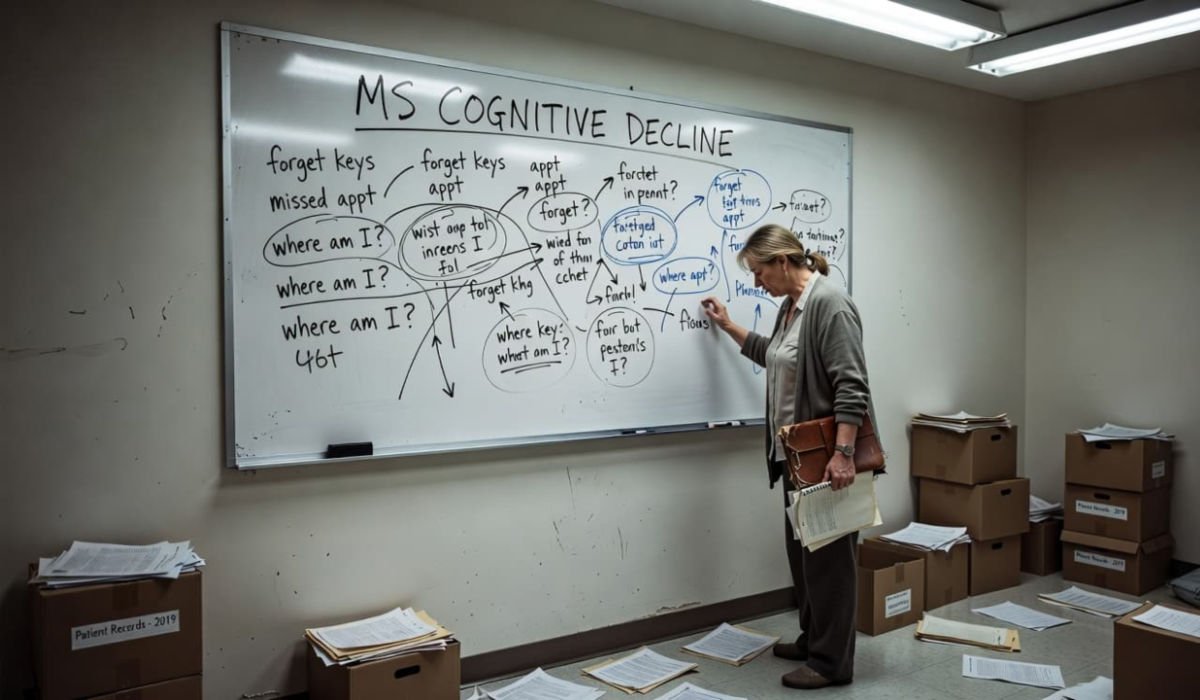
MS cognitive decline refers to the gradual changes in thinking, memory, and mental processing that occur when multiple sclerosis damages the brain’s communication pathways. These changes are often subtle at first, yet they can shape daily life in powerful ways. Many people describe feeling mentally slower, needing more time to understand information, or struggling to keep track of tasks that once felt effortless.
One of the most common effects is reduced processing speed. This doesn’t mean a loss of intelligence; it means the brain takes longer to absorb, organise, and respond to information. Memory can also be affected, especially recent events or remembering to carry out planned actions. Concentration becomes harder, particularly in busy or noisy environments, and multitasking may feel overwhelming. Some people experience word‑finding pauses, where familiar words momentarily slip out of reach.
Why cognitive decline happens
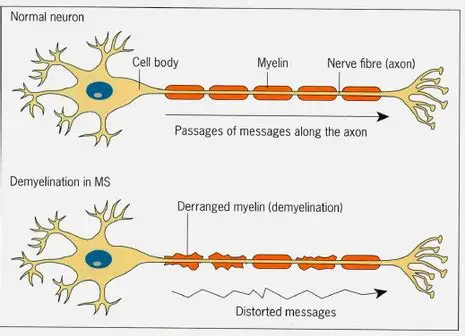
These changes happen because MS causes lesions and gradual loss of brain tissue. When the pathways that carry signals between different brain regions are damaged, the flow of information slows or becomes disrupted. The pattern and severity vary widely from person to person, depending on where the damage occurs and how active the disease is.
Cognitive decline in MS usually progresses slowly. It may worsen during relapses or periods of increased disease activity, but many people remain stable for long stretches of time. Emotional factors such as fatigue, depression, and stress can also intensify cognitive symptoms, creating a cycle that makes thinking feel even harder.

Although these challenges are real, they are not hopeless. Cognitive rehabilitation, structured routines, memory strategies, and environmental adjustments can make a meaningful difference. Understanding these hidden changes helps people with MS receive the support, patience, and practical tools they need to navigate daily life with dignity and confidence.