The Reality We All Share
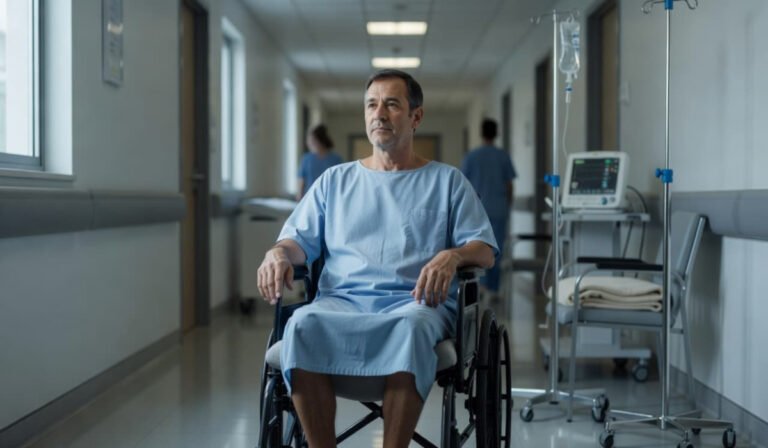
Physical impairment isn’t something that only impacts a small group. It touches every corner of the world. Whether it’s a permanent condition, a temporary injury like a broken leg, or the natural effects of growing older, physical challenges affect all of us at some point in our lives.
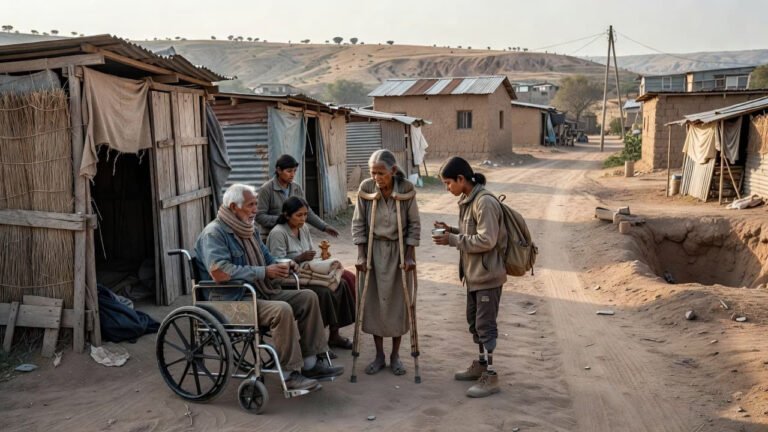
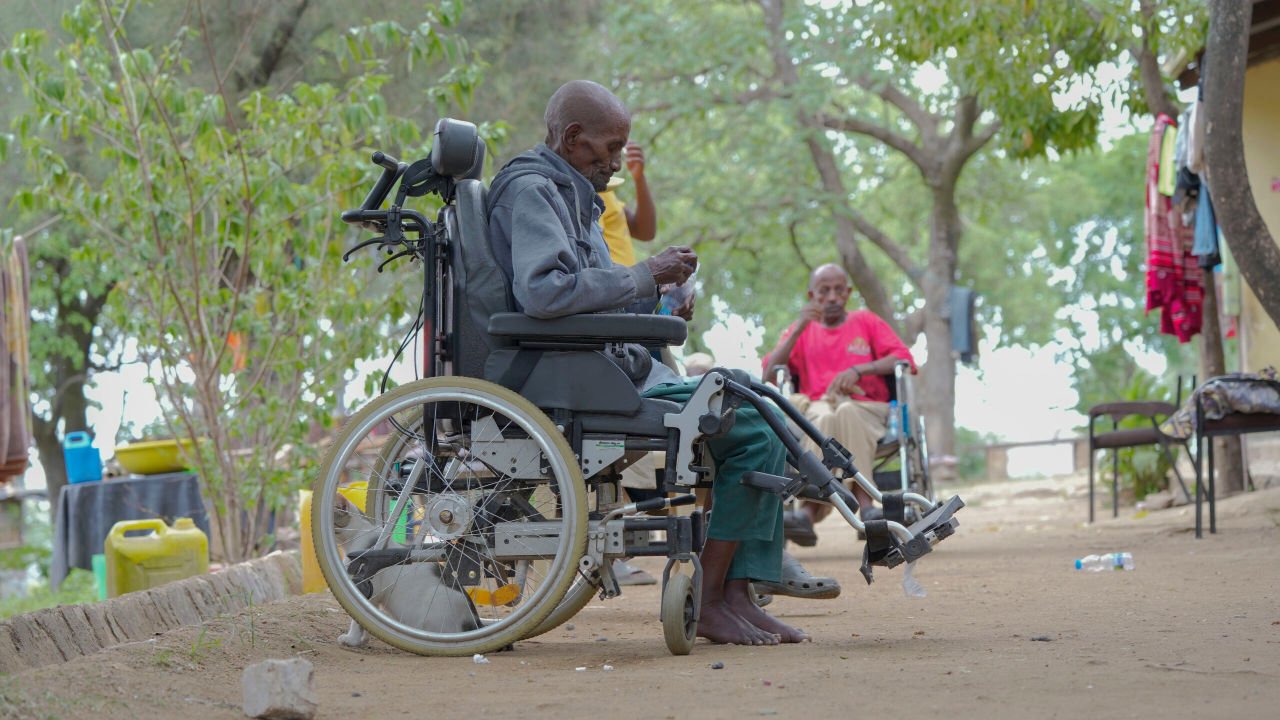
When Sarah, an accessibility advocate, said, “Accessibility isn’t a feature for a few, it’s a basic necessity for everyone,” she captured a truth we can’t ignore. Almost 16% of the world’s population lives with a significant disability today. That’s over a billion people living across towns, cities, and rural areas. Yet, many everyday environments still don’t accommodate basic mobility needs.
Beyond the Visible
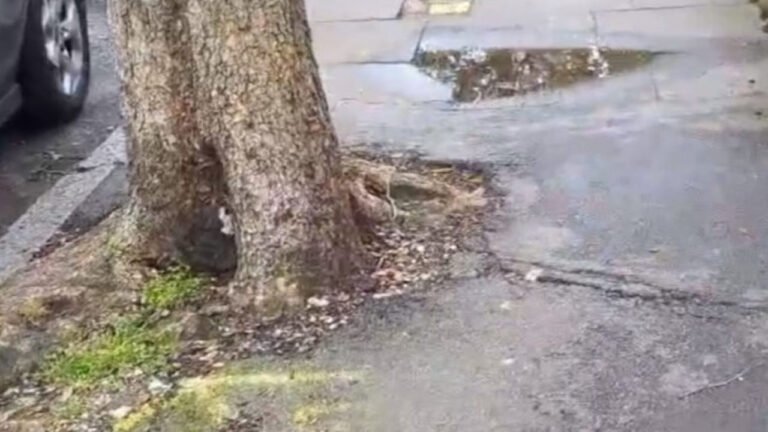
Disabilities aren’t always permanent or visible. Broken bones, surgical recovery, or age-related joint pain can suddenly change how someone interacts with their surroundings. Stairs become steep mountains, and heavy doors turn into insurmountable obstacles. When communities don’t design inclusive spaces, it doesn’t just limit a few people… it limits everyone.
As another campaigner, David, noted, “Designing for accessibility makes life smoother for the entire community.” Dropped kerbs help parents pushing prams, automatic doors assist people carrying heavy packages, and lifts aid travellers with heavy luggage. Accessible design isn’t extra work… it’s simply smart design.
Building an Inclusive Future
It’s time to change how we think about mobility and public access. Physical impairment doesn’t discriminate based on age, background, income, or location. We must push for better infrastructure, clearer policies, and more empathy in our urban planning.
When we create spaces that cater to everyone, whole societies prosper. True inclusion doesn’t cost us our freedom… it grants freedom to all. By recognising these universal challenges, we build a fairer society where nobody gets left behind.