


Numbness and Tingling
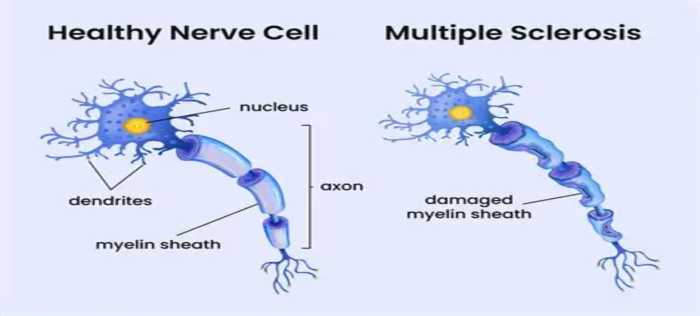
MS numbness and tingling can feel like living inside a body that sends mixed signals. These sensations happen when damaged nerve pathways disrupt how messages travel between the brain and the rest of the body. For many people, this creates unpredictable waves of pins‑and‑needles, burning, buzzing, or complete loss of feeling. These symptoms may appear in the hands, feet, face, or torso, and they can shift without warning, making everyday tasks far more demanding than they appear from the outside.
Numbness can make it difficult to grip objects, type, cook, or walk with confidence. Tingling may feel harmless at first, but when it becomes constant, it can drain energy and concentration. Some people describe it as wearing invisible gloves or socks, while others feel as though parts of their body no longer belong to them. These sensations can also intensify with heat, stress, or fatigue, adding another layer of complexity to daily life. Understanding these triggers helps people manage symptoms more effectively and maintain a sense of control.
How These Sensations Affect Daily Living
Living with numbness and tingling means constantly adapting. Walking across a room may require careful planning when the feet feel disconnected. Writing or using a phone becomes slower when the fingers lose precision. Even facial numbness can affect speech or eating, creating moments of frustration or embarrassment. These challenges are invisible to others, which can leave people feeling misunderstood or dismissed. Yet many continue to push forward with remarkable resilience, finding ways to adjust their routines and preserve independence.
These symptoms can also influence emotional wellbeing. When parts of the body feel unreliable, confidence can take a hit. People may avoid certain activities or environments because they fear stumbling, dropping items, or appearing unsteady. Over time, this can create a sense of isolation. Recognising the emotional impact is just as important as managing the physical sensations, because both shape the daily experience of MS.
Finding Strength, Support, and Practical Strategies
Managing MS numbness and tingling often involves a combination of medical guidance, lifestyle adjustments, and emotional support. Cooling techniques, pacing activities, and recognising early signs of symptom flare‑ups can make a meaningful difference. Some people benefit from physiotherapy, mindfulness, or gentle movement to maintain awareness of their limbs. Others find comfort in connecting with communities who understand the daily realities of MS. These shared experiences remind people that they are not alone, and that strength can be found even in moments of uncertainty.